

Abstract
How Artificial Intelligence shifts the value of education from deep specialization to broad, interdisciplinary knowledge. In economies like Greece, where flexibility is key, a well-rounded education supported by AI tools can unlock innovation, adaptability, and sustainable economic growth.
The Trend Towards Extreme Specialization during the 20th Century
In the 20th century, higher education focused more on specialized curriculums due to several factors:
Advantages and Disadvantages of Specialization
Specialization has driven advancements in research and technical industries like biotechnology, aerospace engineering, and computer science. It allows for efficiency, deeper knowledge accumulation, and progress within specific academic and industrial contexts.
However, specialization also has limitations, especially in practical scenarios. It can result in missed opportunities for innovation, particularly in small or medium-sized economies where versatility and adaptability are important.
In smaller economies like Greece, specialization has drawbacks. Greece does not have large industries that benefit from very specialized education. Instead, focusing on versatile and adaptable skills is crucial for fostering innovation and addressing diverse economic needs. This balanced approach ensures that smaller economies can remain competitive and resilient in a rapidly changing global landscape.
Advantages of Broad Education
A broad educational background enhances flexibility in career paths and entrepreneurial ventures. It allows individuals to adapt to market changes, explore diverse professional fields, and pivot between roles more easily. This adaptability is crucial in economies like Greece, where versatility is favored over niche specialization. Broadly educated entrepreneurs can integrate complementary fields, creating unique opportunities that might elude specialized peers.
Moreover, interdisciplinary education fosters superior problem-solving skills, drawing on diverse perspectives to address complex challenges. For instance, an agricultural expert with a broad education might combine economics, ecology, and technology to advance sustainable farming practices.
In an age of artificial intelligence, those with broad education can effectively use specialized AI tools, blending human versatility with technological depth to tackle multifaceted problems.
Sectors like agriculture and tourism, which are vital to the Greek economy, succeed through the integration of multiple disciplines rather than single-focused mastery.
The Greek Context
In Greece, the higher education system increasingly emphasizes specialized programs inspired by global trends. Students often enter universities focused on narrow fields suited for research or specific industries. However, this approach does not align well with Greece’s economic realities, which largely consist of small and medium-sized businesses, family enterprises, and agriculture, all of which benefit more from versatility than narrow expertise.
Specialized education can limit graduates’ entrepreneurial vision, reduce their ability to respond to market changes, and hinder business diversification. Sectors like agriculture and tourism, which are vital to the Greek economy, succeed through the integration of multiple disciplines rather than single-focused mastery. As Greece lacks the infrastructure for large-scale, specialized industrial growth, its economic development depends on the adaptability and dynamism of small businesses. Therefore, overly specialized education risks creating a mismatch between graduates’ skills and market demands. Promoting broader education, supplemented by AI-driven tools, could empower Greek professionals to leverage interdisciplinary knowledge, fostering sustainable and inclusive economic growth.
Impact of AI on Education and Specialization
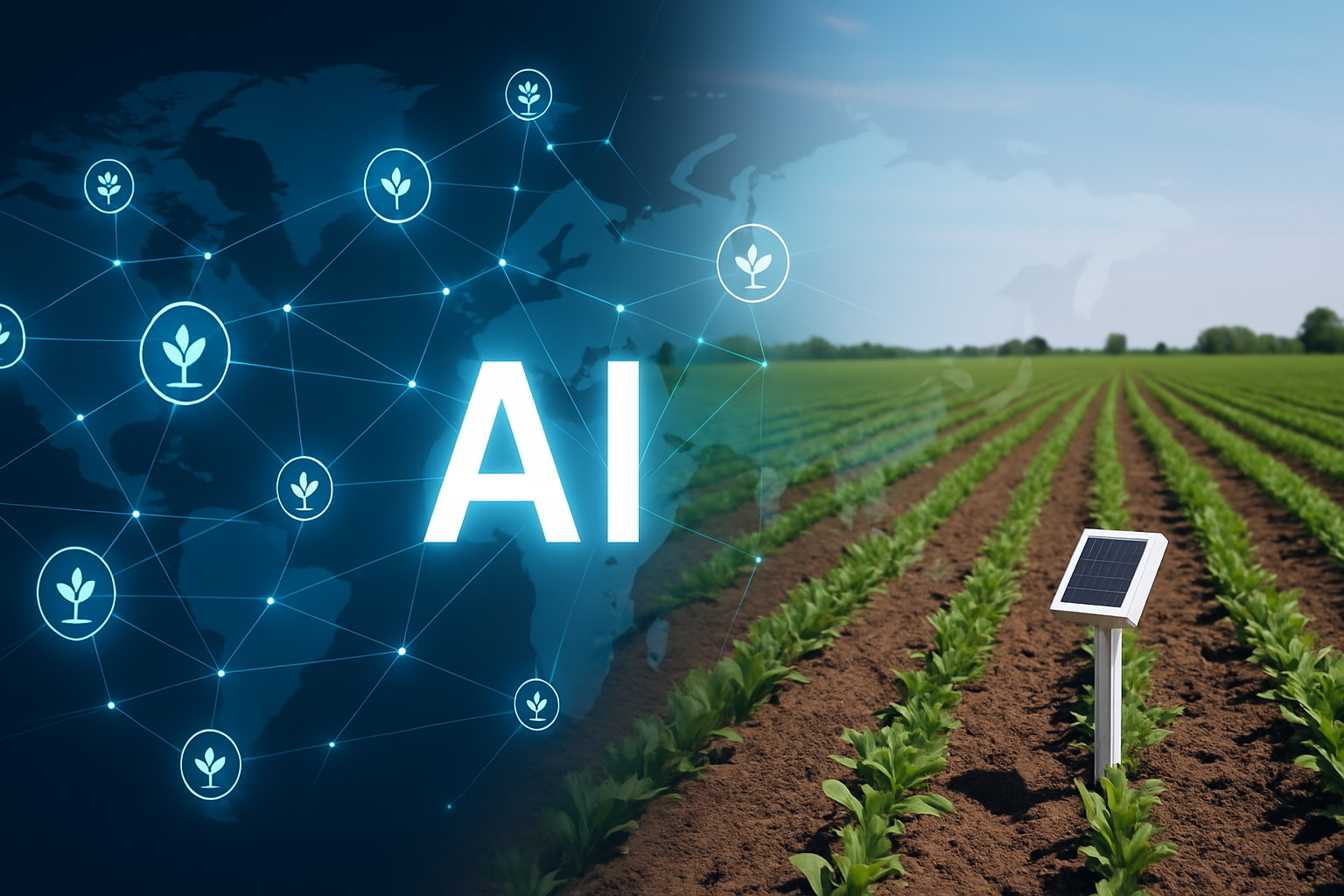
Artificial Intelligence is transforming education by making specialized knowledge more accessible. Broadly educated professionals can use AI tools to gain expert insights quickly. For example, an agricultural entrepreneur can utilize AI for detailed agronomic guidance and pest control strategies, bridging gaps in expertise without years of study.
AI empowers generalists to compete with specialists by analyzing data, providing predictive insights, and recommending best practices in real-time. As AI tools become more sophisticated, they lower the barriers to specialized knowledge, allowing professionals to adapt and respond to new opportunities or challenges quickly. Integrating AI into education shifts the advantage from specialization to versatility. This is especially relevant in economies like Greece, where small businesses benefit from diverse skills and flexibility. AI democratizes access to specialized knowledge, enhancing the effectiveness of broadly educated professionals.
Conclusion
AI offers a significant opportunity for the Greek economy to progress, especially when paired with a broader education at the university level. Versatility within the economy serves as a major asset for Greece, enhancing its resilience in an increasingly competitive modern era.