
Abstract
This article explores the hidden risks small and medium-scale growers face when blindly following expert advice that lacks real-world business awareness. Using case studies such as the collapse of pomegranate and snail farming in Greece, it highlights how technical recommendations—when disconnected from consumer demand and market realities—can lead to financial ruin. The piece criticizes the overemphasis on volume over quality and the promotion of niche crops without demand validation. It calls for a more integrated advisory model that blends agronomic expertise with entrepreneurial thinking. The core message: “Grow smarter, not just better.”
Introduction: When Expertise Fails the Farmer
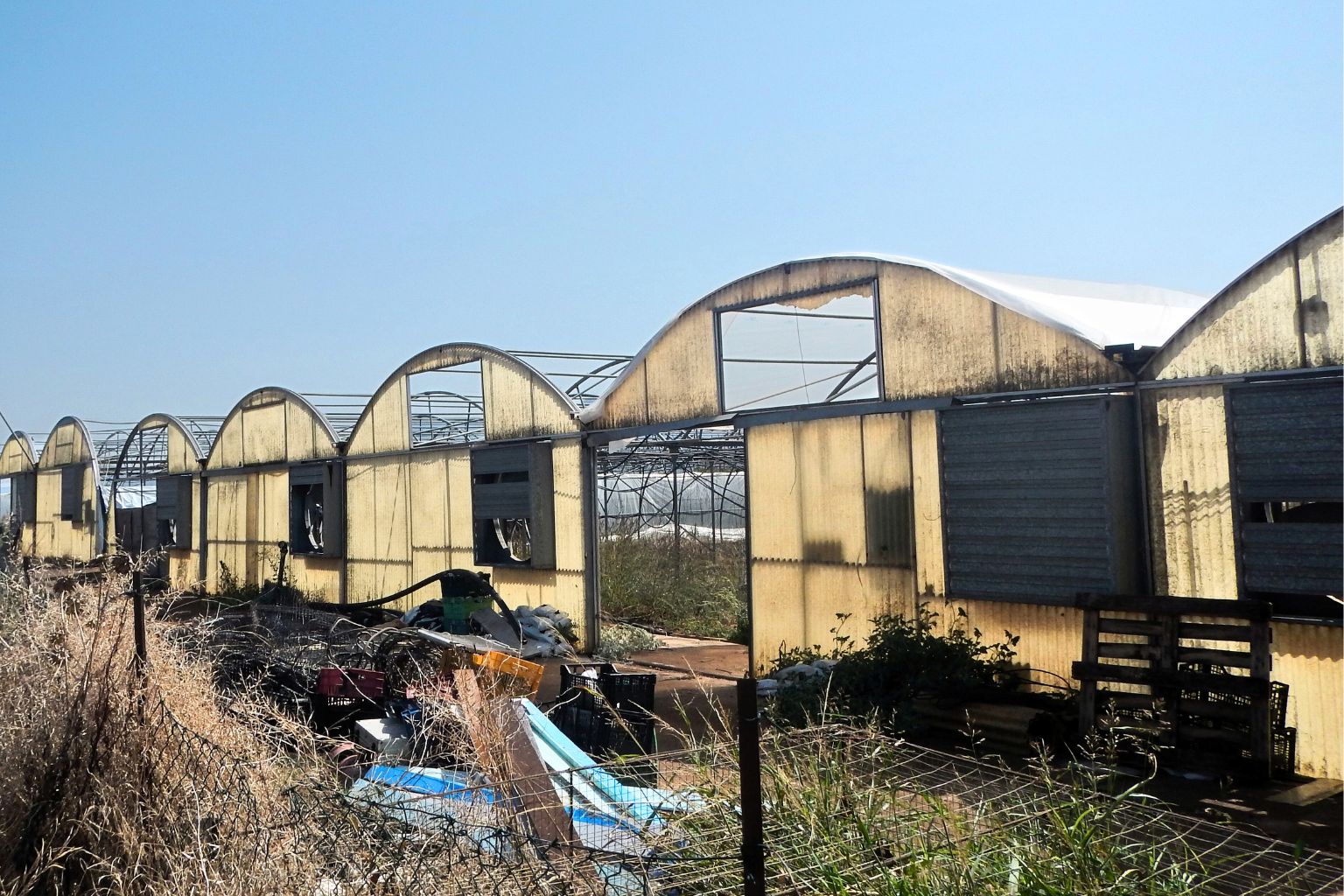
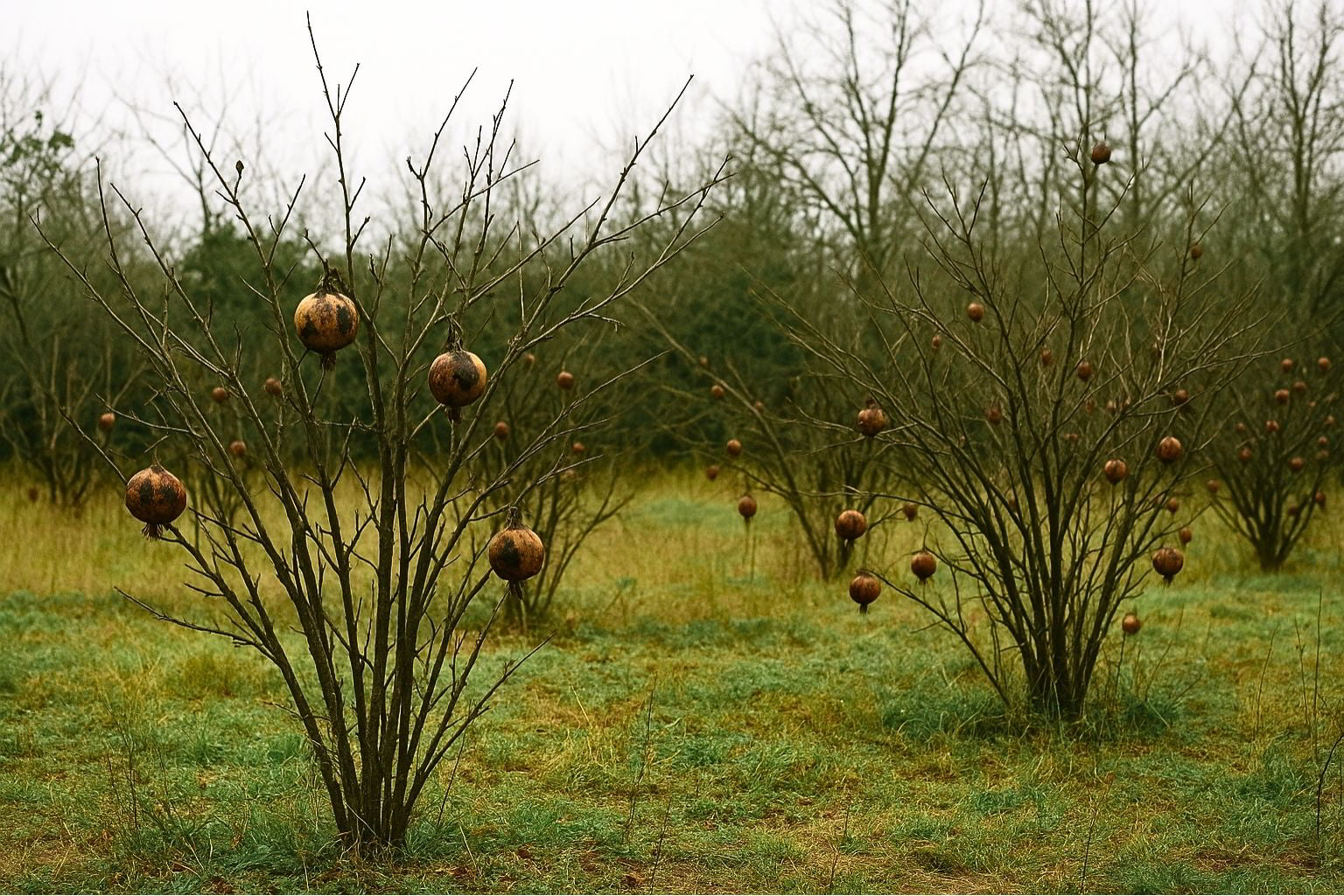
In recent years, many Greek farmers have made serious business decisions based on the guidance of agronomists or consultants whose qualifications sound impressive but whose advice lacked one key ingredient: real-world business experience. While scientific knowledge and cultivation expertise are important, they can be dangerously incomplete when not paired with a clear understanding of the market. The result? Abandoned farms, unsold harvests, and bankrupt dreams.
Real-Life Failures: When Theory Meets Reality
Let’s take two examples that painfully illustrate the problem:
These aren’t isolated events. They are symptoms of a deeper issue: expert advice without market understanding is not just unhelpful — it’s dangerous.
The Niche Trap: When Scale Kills the Market
Another risk farmers face when following disconnected advice is being encouraged to grow niche-market crops — products that may seem lucrative but can easily collapse with a slight increase in supply. A single grower planting 10 hectares of radicchio could flood the entire Greek market, collapsing prices overnight. Meanwhile, planting 20 hectares of lettuce might go unnoticed due to the sheer scale of the general market.
This is basic economics — supply and demand — yet many consultants fail to account for it. Instead, they look at technical suitability or production efficiency without first asking: Can the market absorb this? Worse, they often promote “innovative” crops without ensuring there is consumer awareness, distribution infrastructure, or processing capacity to support them.
Expert advice without market understanding is not just unhelpful — it’s dangerous.
The Misguided Pursuit of Volume
Another serious flaw in many consultants’ approach is their obsession with high volume production, not high quality produce. They often push varieties that:
- Yield over long seasons
- Have extended shelf life
- Are highly disease-resistant
These are benefits for the grower, not the consumer. But the result is produce that may be durable and cheap to grow — but bland, tough, or otherwise unappealing. This is especially ironic in a country like Greece, where consumers still value flavor, freshness, and authenticity.
In many cases, consultants suggest varieties suited for industrial processing or export logistics — not for fresh, local markets. For example, industrial cabbage varieties designed for sauerkraut may store well, but they’re too hard and dense for the fresh salads Greeks typically enjoy. Growers end up harvesting produce nobody wants — again, not because of agronomic failure, but because of market mismatch.
The Problem with Narrow Specialization
Many agronomists come from highly specialized academic backgrounds. They may know soil pH, nutrient cycles, or pest control techniques in great detail — but ask them about customer behavior, pricing strategies, or ROI, and you’ll likely get blank stares. As discussed in recent analysis on the role of education in the AI era, extreme specialization works well in industrial economies with robust infrastructures — but in smaller, more dynamic economies like Greece’s, versatility is a survival skill.
Farmers today need to be part agronomist, part entrepreneur, part marketer. Relying on advice that focuses only on the technical side of things can mislead growers into dead-end ventures.
A More Informed Approach: Integrate, Don’t Isolate
So what’s the alternative? A better way forward is to seek guidance that integrates agronomy with real business thinking. This includes:
- Market-First Planning:
Start with the customer, not the crop. Who’s going to buy this? At what price? Is there real, proven demand? - Cross-Disciplinary Input:
Before planting, talk to food distributors, export agents, and business-savvy farmers — not just agronomists. - Scenario Analysis:
A good advisor should ask: “What happens if prices drop by 30%? What if the crop fails? What if transportation costs double?” - Long-Term Thinking Over Trends:
Avoid fads. If everyone is planting the same thing, that’s a red flag — not an opportunity.
Empowering Farmers Through Broad Knowledge
This is not a call to reject expertise, but to demand broader, more connected advice. Agronomists who understand markets — or who collaborate with those who do — are priceless. But those who give technical guidance in a business vacuum can lead farmers into disaster.
As AI tools become more available, they can help bridge gaps. For example, AI can analyze market trends or estimate profitability under different weather and price scenarios. But even the best AI is useless if the farmer doesn’t ask the right questions — and that requires a broad, business-aware mindset.
Conclusion: Grow Smarter, Not Just Better
For small and medium-sized horticultural businesses in Greece, the future belongs not to those who follow experts blindly, but to those who combine expert knowledge with business intuition. The cost of poor advice is too high — not just in euros, but in lost time, abandoned dreams, and broken land.
If you’re a grower, be skeptical. Ask the hard questions. Demand numbers, not just theories. Because in agriculture, the field doesn’t forgive — and neither does the market.